On this page
- 01Why music photographers need a real portfolio (not just Instagram)
- 02Tip 1: Use a dedicated portfolio URL
- 03Tip 2: Show range with intention
- 04Tip 3: Add context to every shoot
- 05Tip 4: Show your rates (or at least a bracket)
- 06Tip 5: Make booking and downloading frictionless
- 07What to include in a music photographer portfolio (2026 checklist)
- 08Common music photographer portfolio mistakes
- 09How to get discovered by promoters and festivals
Instagram is a feed, not a portfolio. Every photographer knows this, but plenty still treat it as their primary professional presence because it's the path of least resistance. The problem is that a promoter evaluating candidates for a festival shoot or a label looking for a photographer to cover a tour can't evaluate your work on Instagram in any meaningful way. The algorithm buries your best shots, there's no clear booking path, you can't download anything, and rates are nowhere.
A promoter needs to see your range, understand your rate structure, download a sample image for a pitch deck, and send you a booking enquiry, ideally in under 5 minutes. Instagram makes every one of those steps harder. A dedicated music photographer portfolio solves all four. This guide covers exactly how to build one that converts browsers into bookings.
Why music photographers need a real portfolio (not just Instagram)
The algorithm is the first problem. Your best work from 18 months ago is invisible on Instagram unless you're constantly posting. A promoter who finds your handle and scrolls sees recent content, not your strongest work. Your top festival shoot from last summer is buried under 40 posts.
The structural problems go deeper: no rates, no download function, no clear booking contact flow, no structured presentation of range across different event types. Instagram is built for engagement, not evaluation. A dedicated portfolio URL, structured by you and accessible in one click, solves every one of these issues. It's also the difference between feeling like a working professional and feeling like a hobbyist with a good camera.
Tip 1: Use a dedicated portfolio URL
A direct link to a structured portfolio, something like backstage.dj/photographer/yourname, is faster to review, easier to share internally between promoters and production teams, and looks significantly more professional than pointing someone to your Instagram handle. When a promoter says 'send me your portfolio,' they want a link they can open in a new tab, scan quickly, and forward to their partner. @yourhandle doesn't do that job.
Tip 2: Show range with intention
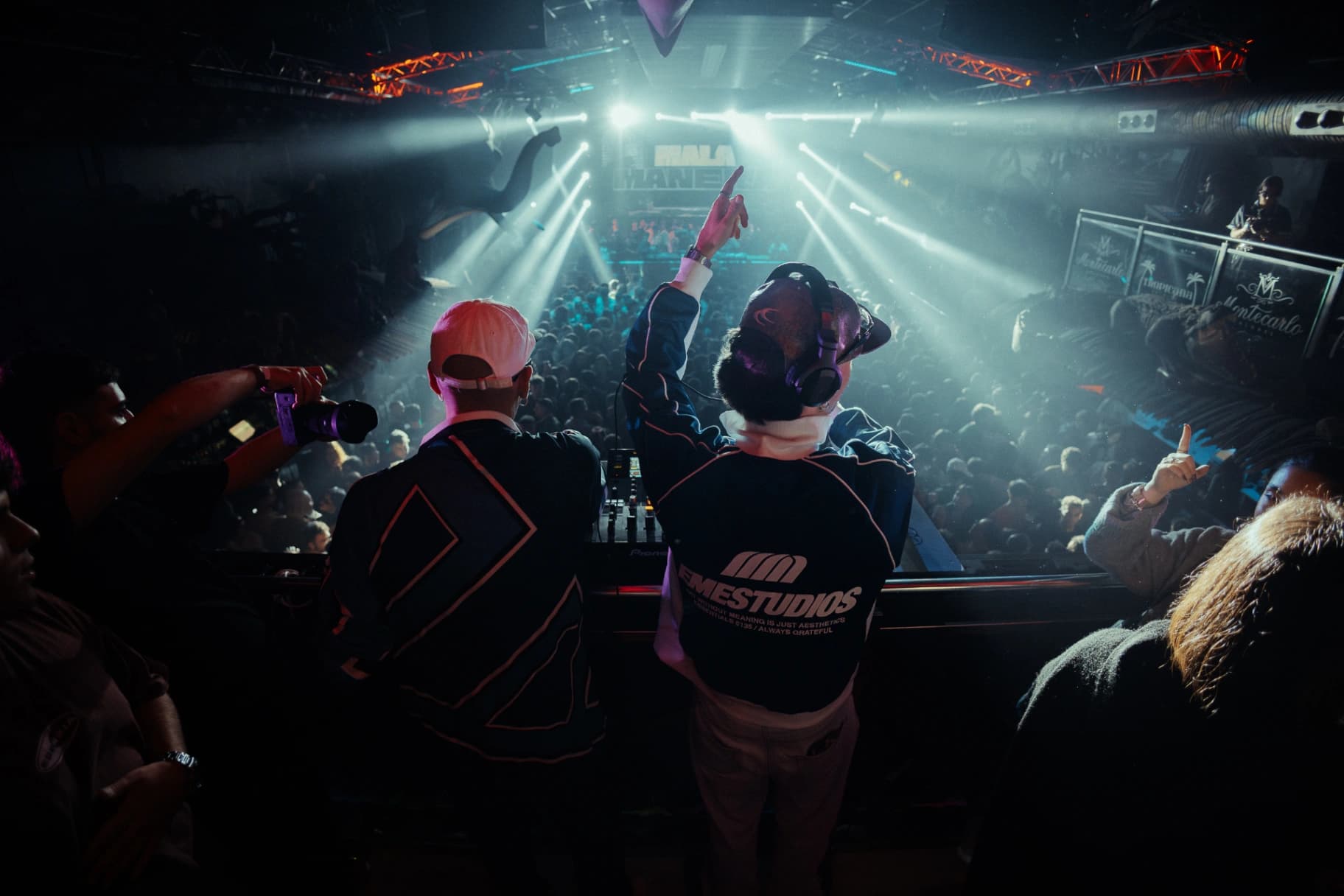
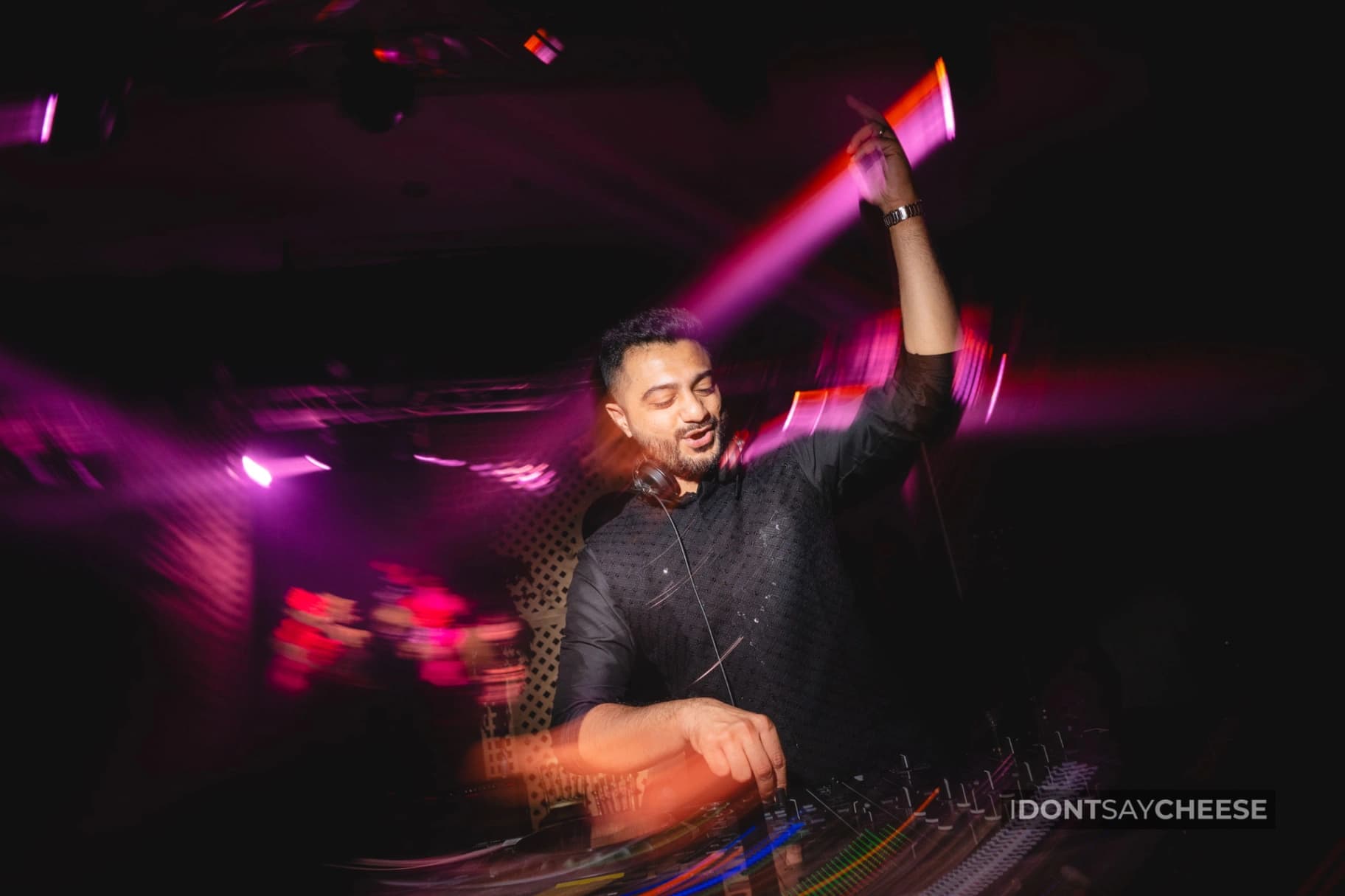
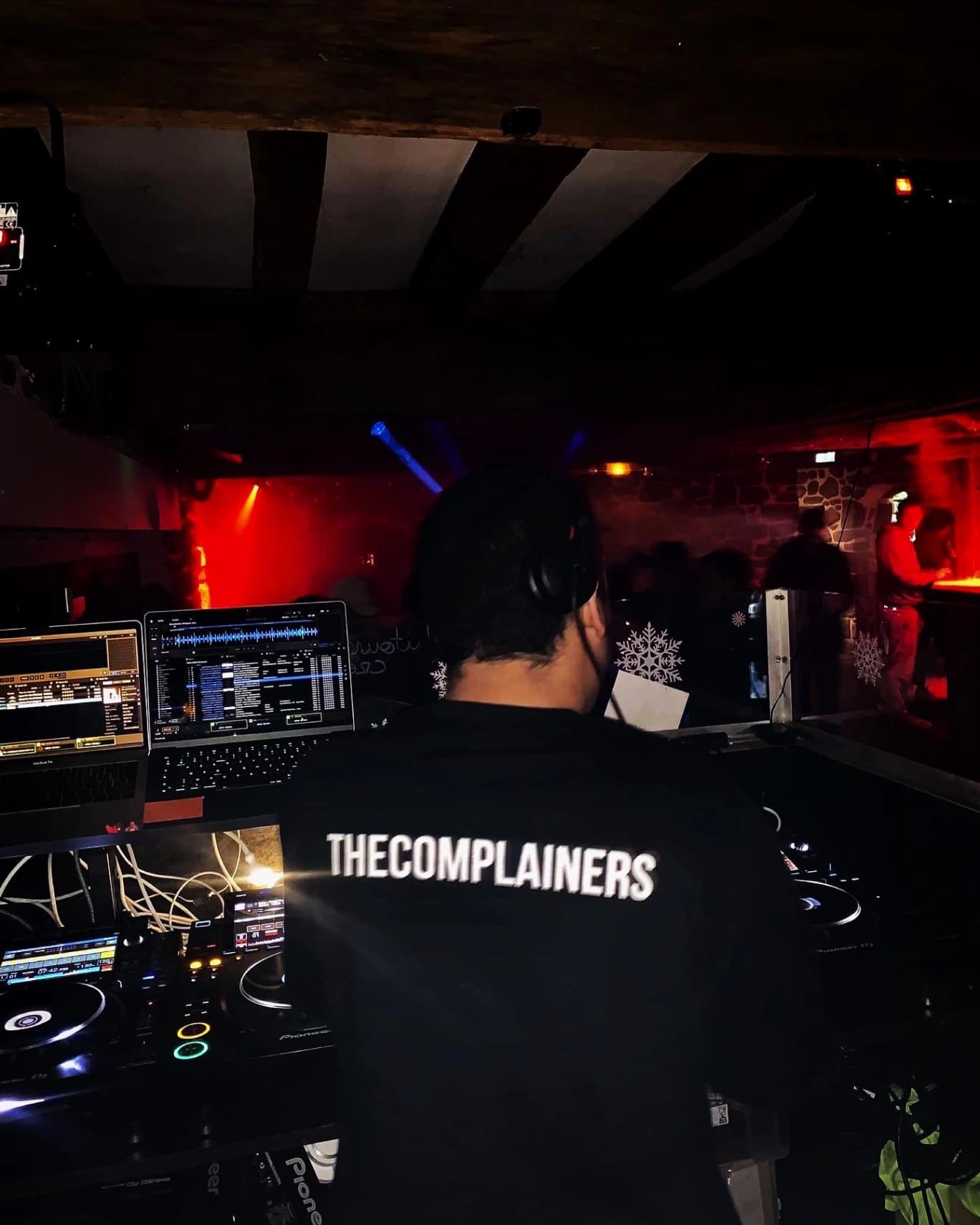
Don't dump 200 images and call it a portfolio. Curate 30–50 images that show your actual range across categories: club (low-light), festival (outdoor, large stage), artist portrait, backstage access, crowd context, and detail/atmosphere shots. Each category tells a promoter something different about what you can deliver.
Group them by event type rather than date. A festival promoter doesn't want to scroll through 15 club shots before finding your outdoor work. A club promoter scanning for low-light capability needs to find that immediately. Structure your curation so the right work is visible to the right buyer within the first few seconds of looking.
Tip 3: Add context to every shoot
A photo without context is half the story. For each shoot, add the event name, date, and a short caption describing the conditions: outdoor vs. indoor, lighting setup, headliner context. This helps promoters understand not just what your output looks like, but what environments you've worked in and what you can handle. A promoter booking you for a dim warehouse night needs to see that you've successfully shot in similar conditions before.
Tip 4: Show your rates (or at least a bracket)
Transparent rates are a professional signal. Hiding them completely can read as either inexperienced or unserious. You don't have to publish a full rate card: a bracket like 'Day rate from €X' or 'Event coverage from €X' is enough to filter out budget-mismatched enquiries and signal that you're a working professional with actual pricing.
The practical benefit: a promoter with a €300 budget who sees your bracket starts at €800 doesn't waste your time or theirs. A promoter with a €1,200 budget who sees the same number knows you're in range and reaches out. Rate transparency speeds up the entire pipeline. If you prefer case-by-case negotiation, that's fine: but at minimum indicate your tier.
Tip 5: Make booking and downloading frictionless
A booking contact that requires three clicks to find is a booking that doesn't happen. Put your contact method at the top of your portfolio, not buried at the bottom. Make sample images downloadable in one click: promoters routinely need assets for pitch decks, planning documents, and sponsor presentations. A photographer who provides this immediately is infinitely easier to work with than one who requires an email request for samples.
What to include in a music photographer portfolio (2026 checklist)
- About / bio (50–100 words): who you are, what you shoot, where you're based.
- 30–50 curated images organized by event type (club, festival, portrait, backstage).
- Day rate or rate bracket: even an approximate range.
- Equipment list (camera bodies, key lenses): promoters and production teams check this.
- Recent client list (events, festivals, labels you've shot for).
- Direct booking contact: email or embedded form.
- Downloadable sample assets for promoter decks.
- Social and Instagram links, but not as your primary portfolio.
Common music photographer portfolio mistakes
- 200 photos with no curation: signals poor editorial taste.
- All festival shots with no club/low-light work, or vice versa: shows limited range.
- No rates listed anywhere: slows down enquiries and signals inexperience.
- Watermarks so heavy the work can barely be reviewed: builds distrust with buyers.
- No mobile optimization: most promoters are evaluating on their phones.
- No way to download sample images for pitch decks: a friction point that loses bookings.
How to get discovered by promoters and festivals
Active outreach to local promoters is still the fastest path at the start. Shoot 3–5 events for free in exchange for usage rights and credits: use those to build your portfolio reel. Once you have 30+ strong images, approach promoters directly with a portfolio URL. The transition from free to paid is faster than most photographers expect once the portfolio quality is there.
For ongoing discoverability: list yourself on platforms where promoters actually search. Backstage.dj is built specifically for music industry creatives: browse photographer profiles on the explore page to see how working photographers present themselves and where promoters look first.
Frequently asked questions
How many photos should be in a music photographer portfolio?
30–50 curated images is the sweet spot. More than that signals lack of editing taste. Less than that signals lack of range.
Should music photographers show their rates?
Yes, even as a bracket. 'Day rate from €X' filters time-wasters and signals you're a working professional. Hidden rates slow down booking decisions.
What's the best platform to host a music photographer portfolio?
Backstage.dj is built specifically for music industry creatives: promoters browse there for photographers, videographers, and DJs. Generic portfolio sites work but lack discovery.
How do I get my first paid music photography gig?
Shoot 3–5 events for free in exchange for credits and image rights. Use those to build the portfolio. Then approach local promoters directly with the URL.
Should I include festival shots and club shots together?
Group them separately. Promoters often book based on context match: a festival promoter wants to see festival work, a club promoter wants to see low-light club work.
Do music photographers need a tech rider?
No, but a shooting requirements page helps: stage access policy, post-production turnaround, deliverable format, and usage rights. This saves negotiation time for every booking.