On this page
An EPK (electronic press kit) is the document a promoter, venue or agency looks at before booking you. A good one answers every question they have in under a minute. A bad one, or no EPK at all, means your message gets skipped.
Below is a complete EPK template you can copy section by section, with bio templates, specs for photos and music, a real example and a checklist before you send it.
Key takeaways
- An EPK has to answer three questions fast: what you play, how you sound, how to book you.
- Use the 9 sections below, in this order. Put the essentials first.
- Keep two bios ready: 50 words and around 200 words.
- Send one link (and a PDF on request), never a folder of loose files.
- Update it every time you play a notable gig or drop a new mix.
What an EPK is (and what it is not)
Your EPK is not your Instagram, and it is not your life story. It is a booking document. Everything in it should help someone decide whether to book you, and then make that booking easy.
If you want the full background on why presskits matter and how promoters use them, read what a DJ presskit is. For the meaning of the term and three short examples, see what an EPK is, with examples. This page is the practical part: the template itself.
The EPK template: 9 sections
Copy the sections in this order. The first three are the ones promoters actually read; the rest is there when they need it.
1. Header: who you are in one line
Your name, what you play and where you are based, readable in two seconds.
[DJ NAME]
[Genre 1] · [Genre 2] · [Genre 3]
Based in [City, Country] · Available for [club nights / festivals / private events]
Booking: [email] · [phone, optional]
2. Short bio (about 50 words)
This is the bio promoters copy into event pages and social posts. Write it in the third person. For finished examples in seven genres, see our DJ bio examples.
Short bio template
[DJ name] is a [genre] DJ from [city] known for [what makes your sets recognisable: high-energy peak-time sets, deep and hypnotic warm-ups, hard-hitting uptempo]. [He/She/They] [has played at / regularly plays] [1 to 3 real venues or events] and [one current highlight: a residency, a release, a support slot].
3. Long bio (150 to 250 words)
For promoters who want more context, press and festival listings. Still third person, still focused on what matters for a booking.
Long bio template
[DJ name] is a [genre] DJ and [producer, if relevant] based in [city, country].

[Paragraph 1: your sound. What people hear in your sets, the energy you bring, the moments you are known for. Be specific: tempos, influences, the kind of slot you shine in.]

[Paragraph 2: your story so far. Where you started, the nights or collectives you are part of, residencies, notable venues and events you have played, artists you have shared the stage with. Only real names.]

[Paragraph 3: what is happening now. Recent releases, upcoming shows, a project you are working on, what promoters can expect when they book you.]

For bookings: [email or booking link]
4. Music: your best mix first
Put one mix at the top: the one that sounds like the gigs you want to be booked for. Add one or two more below it at most.
- 30 to 60 minutes, recorded live or cleanly in one take
- Hosted on SoundCloud, Mixcloud or YouTube so it plays in one click
- Title it clearly:
[DJ name] · [Genre] Mix · [Month Year] - The first two minutes matter most. Many promoters never get further.
5. Press photos
Promoters need images for flyers, event pages and social posts. Give them options so they don't have to ask.
- 3 to 5 photos, high resolution (at least 2000 px on the long side)
- At least one portrait (vertical) and one landscape (horizontal)
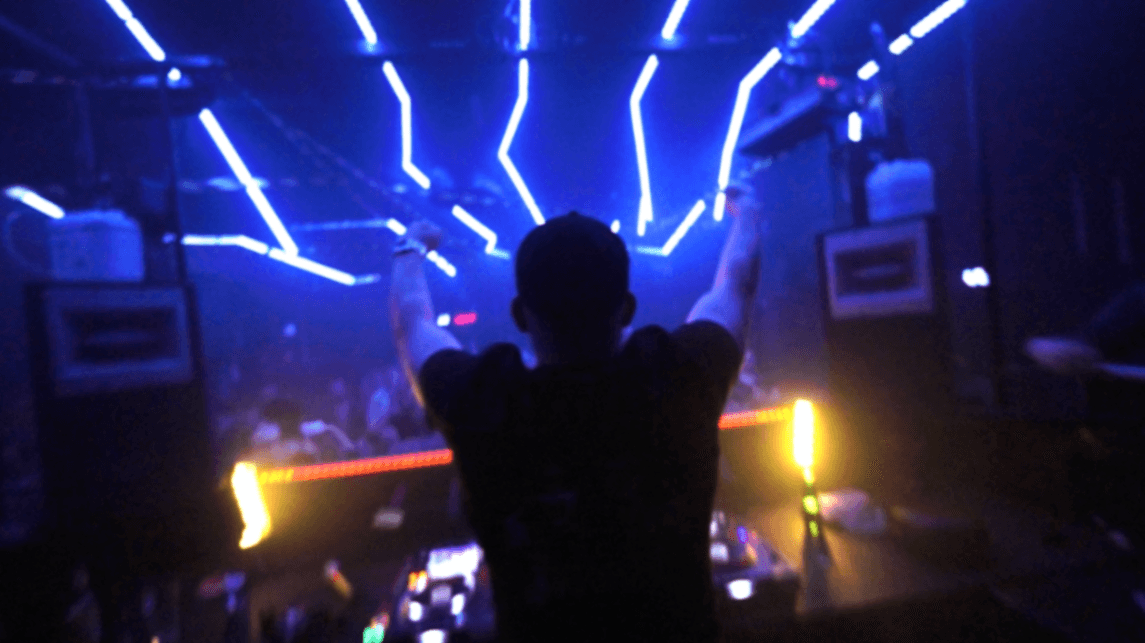
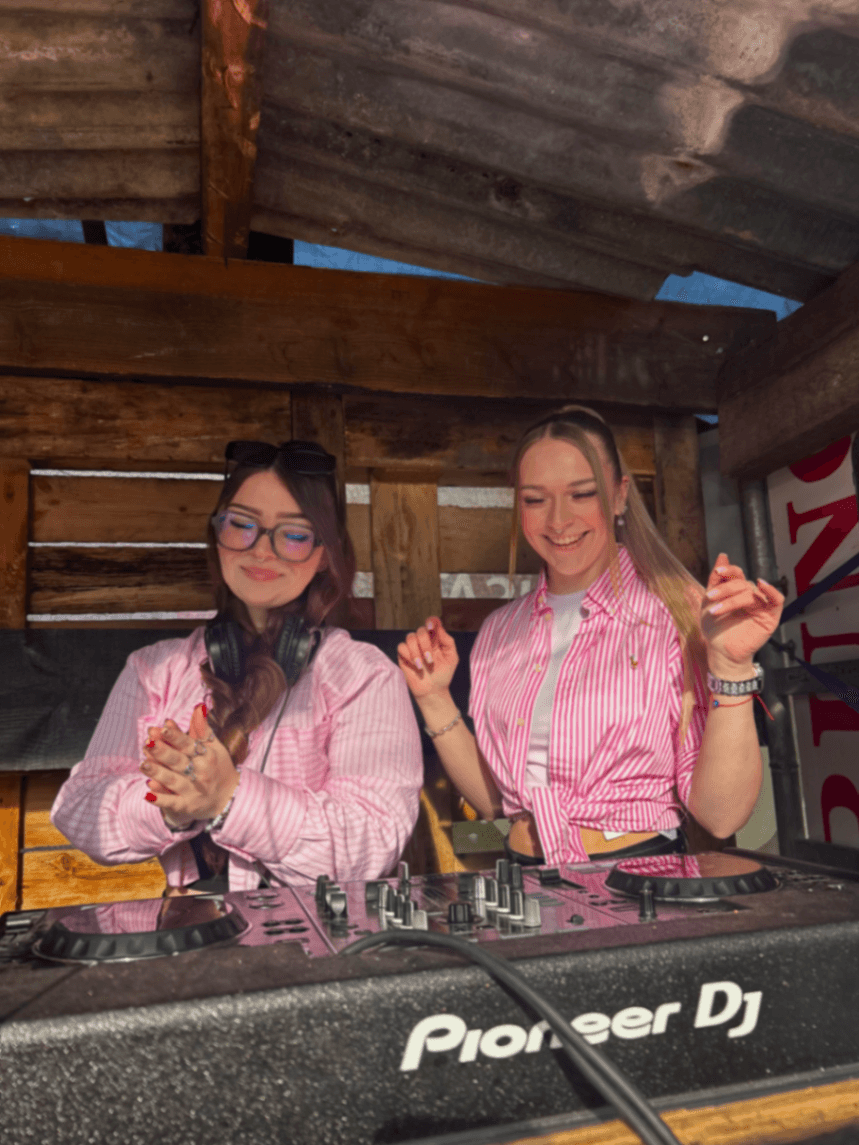
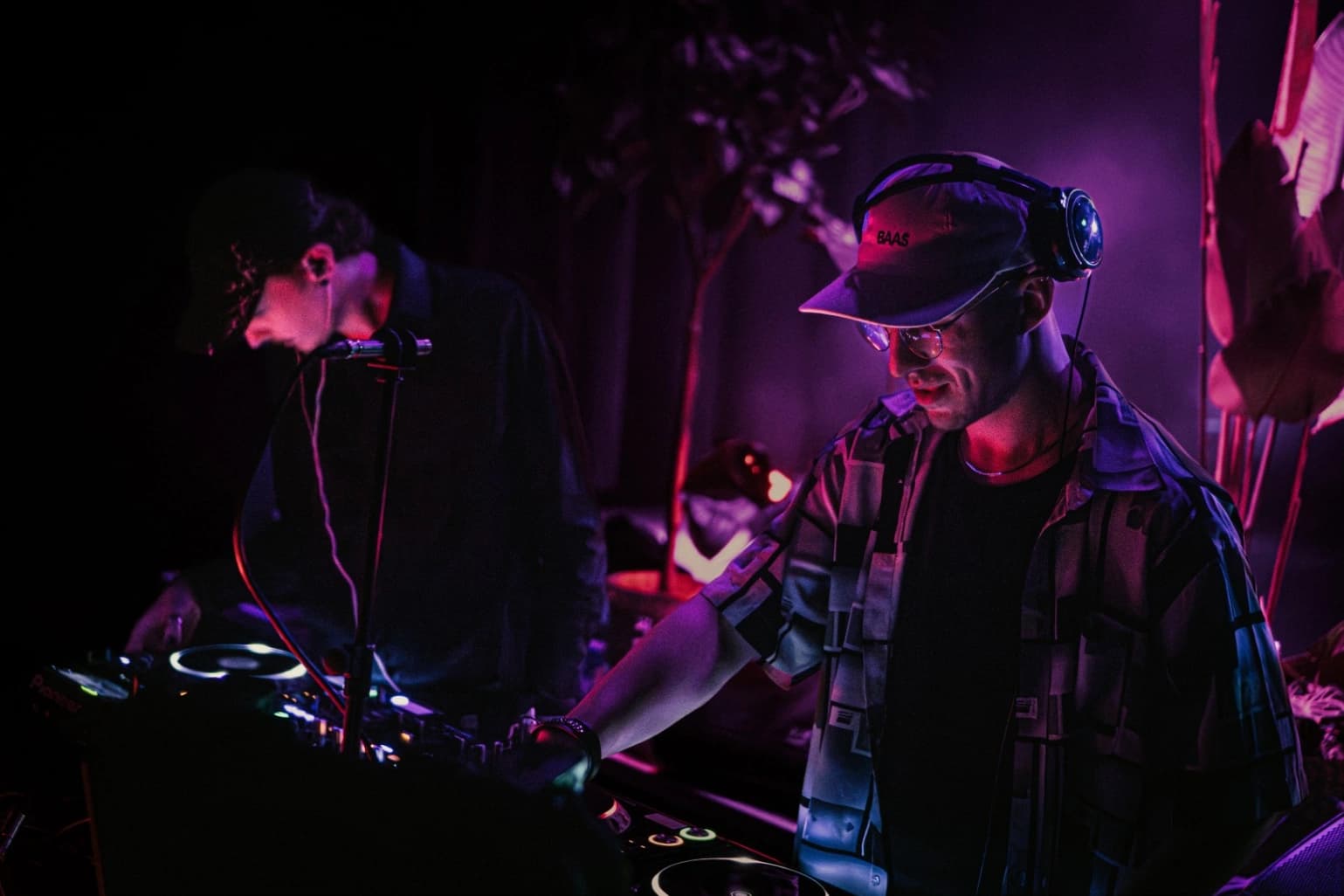
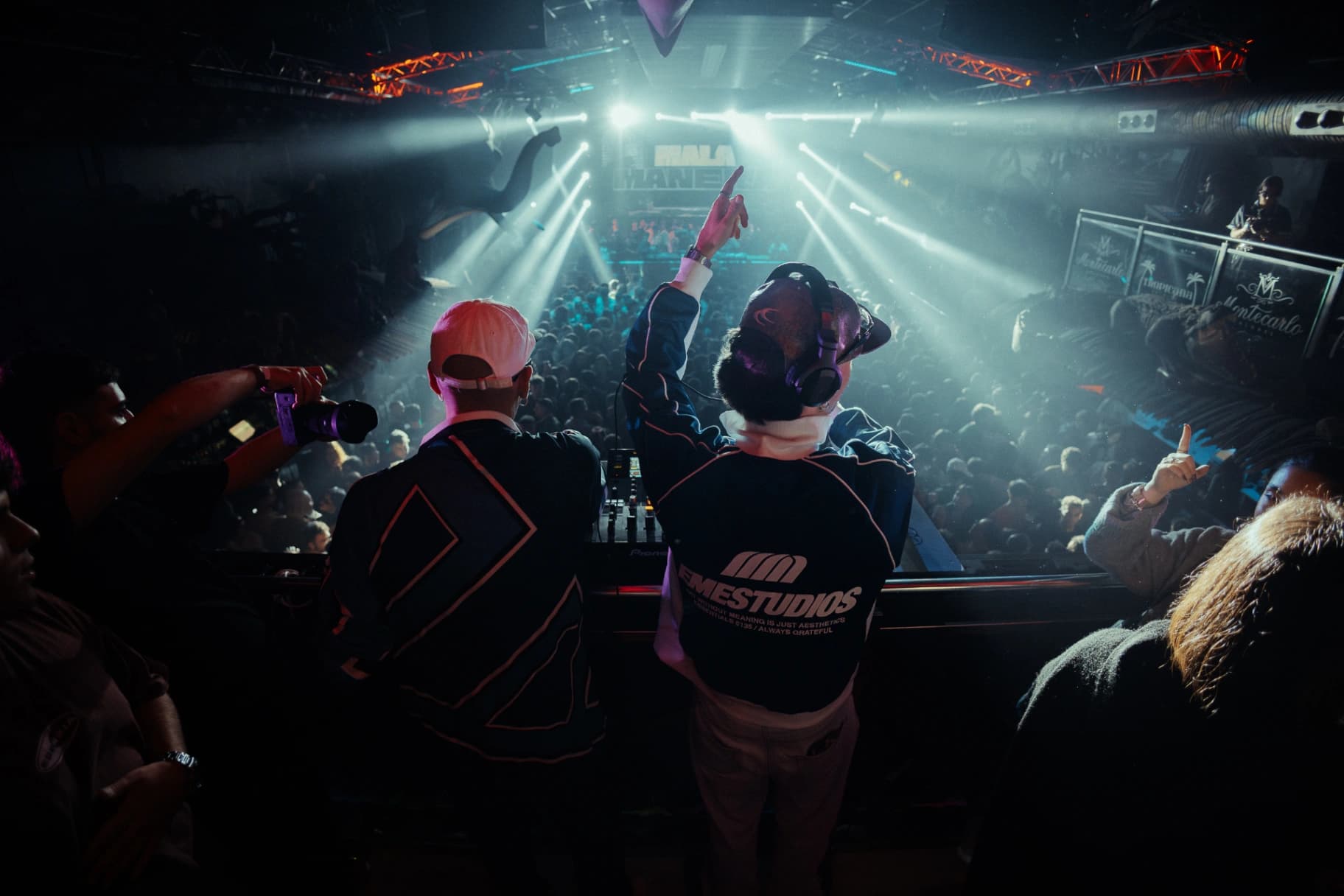
- At least one photo behind the decks, ideally at a real gig
- Sharp, well lit, no heavy filters, no text on the image
- Credit the photographer in the file name or caption
6. Highlights: played at
A short list of real venues, events and support slots. This is your social proof, so keep it honest and keep the best names first.
Played at: [Venue / event], [Venue / event], [Venue / event]
Shared the stage with: [Artist], [Artist]
Residency: [Night name] at [Venue] (since [year])
Don't have big names yet? List the nights you play regularly and the collectives you are part of. A real list of smaller venues beats an empty section.
7. Upcoming shows
Two or three upcoming dates show that you are active and booked. Remove them once they have passed, or move the best ones to your highlights.
8. Tech rider summary
A short version of what you need in the booth, so the promoter knows instantly whether their setup works:
Setup: 2 or 3 x [CDJ model] + [mixer model]
Monitoring: 2 booth monitors at head height
Formats: USB (rekordbox), [other]
Set length: [60 to 120 minutes]
Link to your full rider. If you don't have one yet, the free DJ tech rider generator makes the PDF in two minutes, and the DJ tech rider guide explains every line of it.
9. Contact and socials
End with the easiest possible way to book you: one booking email or a booking button, plus your main social profiles (Instagram, SoundCloud, Resident Advisor if you have it). No ten-link list.
A real EPK, built from this template
This is what all nine sections look like when they live on one page, with a downloadable EPK PDF generated from the same information:
 Live presskitAstro BlastKrach · Fribourg, CHView presskit
PDF or link: which EPK format should you send?
Both have a role:
- A link is what you paste into emails, DMs and your Instagram bio. It opens on any phone, it always shows your latest mix and shows, and you can see when it gets opened.
- A PDF is what promoters and agencies save in their files and forward to colleagues. Some festivals ask for one explicitly.
The trap is maintaining both by hand: you update your bio in one place and forget the other. The easiest setup is a presskit page that also generates your EPK PDF, so the two never get out of sync.
Checklist before you send your EPK
- Name, genre and city are visible without scrolling
- The first mix is your best one and plays in one click
- Short and long bios are written in the third person
- 3 to 5 sharp photos, portrait and landscape, credited
- Only real venues and events in your highlights
- Past dates removed from upcoming shows
- Tech rider summary matches the gear you actually need
- One clear booking contact
- Everything opens fine on a phone
Common EPK mistakes
- A ten-page PDF that nobody reads to the end
- A Google Drive folder full of loose files instead of one clean document
- A bio written in the first person, or longer than the actual music section
- Low resolution photos pulled from Instagram
- Mixes in a different style from the gigs you want to be booked for
- Invented or exaggerated highlights (promoters talk to each other)
Once your EPK is ready, the next step is getting it in front of the right people. Our guide to getting DJ gigs includes a booking email template you can send it with.
Skip the template: build your EPK in 10 minutes
This template works in any editor. But if you would rather not design a PDF, Backstage.dj builds the whole thing for you: fill in the sections once and you get a presskit page at backstage.dj/yourname, a downloadable EPK PDF, a tech rider and a booking button, all from the same information. It is free to start.
Find DJs by genre
Frequently asked questions
What should be in an EPK?
A professional EPK contains your name and genre, a short and a long bio, your best music links, 3 to 5 press photos, your highlights (venues, releases, support slots), upcoming shows, a tech rider summary and your booking contact. Everything a promoter needs to say yes without writing back to ask.
How long should an EPK be?
As short as possible while still complete. As a PDF, one to three pages is ideal. Promoters skim, so put the most important information (who you are, what you play, your best mix, contact) on the first screen or the first page.
Should my EPK be a PDF or a website?
Both, ideally. A web link is easier to share in a message and always up to date, while a PDF is what many promoters and agencies save in their files. On Backstage.dj your presskit page and a downloadable EPK PDF are generated from the same information, so they never get out of sync.
Do I need professional photos for my EPK?
You need good photos, not necessarily expensive ones. Sharp, well lit, high resolution images in both portrait and landscape format are enough. One photo of you behind the decks at a real gig is often worth more than a studio shoot.
How often should I update my EPK?
Every time something important changes: a new mix, a notable gig, a release or new photos. A quick check every month is a good habit. An EPK with last year's shows makes you look inactive.
Is an EPK the same as a press kit?
In practice, yes. EPK stands for electronic press kit, the digital version of the press kit artists used to send by mail. For DJs the terms EPK, press kit and presskit are used interchangeably.